Nationwide Heavy Haul and Vehicle Transport

Boat Shipping South Carolina, SC
  • Home
  • Blog
  • How Much Does RV Transport Cost Per Mile?

How Much Does RV Transport Cost Per Mile?

Boat Shipping South Carolina, SC
How Much Does RV Transport Cost Per Mile?

RV transport cost per mile usually ranges from about $1.00 to $3.00 in 2026, while large or specialized RVs can reach $4.00 per mile or more. Short trips commonly have the highest mileage rate. Long-distance shipments often fall closer to $1.00 to $2.00 per mile.

A 1,000-mile shipment can therefore cost roughly $1,000 to $3,000 for many RVs. A large Class A motorhome can cost substantially more when specialized hauling equipment is required.

The lowest mileage rate does not always produce the lowest total bill. Distance and RV dimensions can change the equipment required. Knowing how transporters calculate the rate helps you compare estimates before committing to a shipment.

What Is the Average RV Transport Rate Per Mile?

Most RV shipments cost about $1.00 to $3.00 per mile in 2026. Short-distance moves under 500 miles commonly range from $1.50 to $3.00 per mile. Cross-country shipments above 1,500 miles often fall between $1.00 and $2.00 per mile because fixed costs are spread across more distance.

Current 2026 research provides these useful planning figures:

Distance Typical rate per mile Typical total
Under 500 miles $1.50 to $3.00 $1,000 to $3,000
500 to 1,500 miles $1.25 to $2.50 $1,500 to $4,000
More than 1,500 miles $1.00 to $2.00 $2,000 to $5,000+

These ranges are planning figures rather than fixed tariffs. RV size can push the final rate above them. Specialized equipment can have the same effect.

Another current pricing guide places the broader national range at $1.50 to $4.00 per mile. It reports that many shipments cost $2.00 to $2.50 per mile.

The rv shipping cost per mile should therefore be compared with the RV class. A $2.50 rate may be high for a small camper van but reasonable for a large motorhome.

The useful benchmark is a range rather than one national average. Two shipments covering the same mileage can differ by thousands of dollars when their dimensions require different equipment.

Why Does the Rate Drop on Longer Trips?

Longer RV shipments usually cost less per mile because loading and dispatch expenses do not increase at the same rate as distance. Short jobs spread those fixed costs across fewer miles. Long trips spread them across hundreds of additional highway miles.

For example, a short shipment might cost $2.75 per mile.

  • A 300-mile trip at that rate costs $825.
  • A 1,500-mile shipment might fall to $1.50 per mile.

The longer trip would cost $2,250 even though its mileage rate is much lower.

Current 2026 data follows this pattern. Trips below 500 miles can reach $3.00 per mile while cross-country shipments can fall near $1.00 per mile.

The rv transport cost per mile therefore tells only part of the story. Total distance still determines how much you ultimately pay.

One counterintuitive point is that a longer route can provide better mileage value. You still spend more overall because the transporter travels much farther.

How Does RV Type Affect the Per-Mile Price?

RV type can move the rate by several dollars per mile because larger units need more capacity. A small travel trailer may stay near $1.50 to $2.50 per mile. A large oversize Class A can reach $3.00 to $5.00 per mile with specialized equipment.

A current transport pricing guide breaks down common rates this way:

RV type Common transport method Planning rate
Small travel trailer Tow-away $1.50 to $2.50 per mile
Mid-size fifth wheel Tow-away or flatbed $2.00 to $3.00 per mile
Class B or Class C Drive-away or flatbed $1.75 to $2.75 per mile
Class A under 40 feet Drive-away or flatbed $2.00 to $3.50 per mile
Oversize Class A Specialized carrier $3.00 to $5.00 per mile

These figures show why one online average cannot price every recreational vehicle.

A lightweight camper may move with standard equipment. A large Class A can require a lowboy or another heavy transport setup.

Current motorhome shipping costs also depend on whether the motorhome can be driven. An operable unit may qualify for drive-away service.

Travel trailers create a different pricing model. A road-ready trailer can often use tow-away service instead of riding on another trailer.

The physical footprint matters more than the RV’s purchase price. A modestly priced oversized RV can cost more to move than an expensive compact camper van.

How Does the Transport Method Change the Rate?

The transport method can change the rate by several dollars per mile. Drive-away service is often one of the lowest-cost choices for an operable motorhome. Tow-away works well for road-ready trailers. Flatbed hauling costs more because commercial equipment carries the entire RV.

Drive-Away Transport

A professional driver operates the motorhome to the delivery point.

Drive-away service avoids the cost of loading the entire motorhome onto another trailer. This can make it attractive for a road-ready unit.

The trade-off is mileage on the RV. Engine hours also increase.

The motorhome must be mechanically suitable for highway travel. Tires and brakes should be checked before the driver accepts it.

Tow-Away Transport

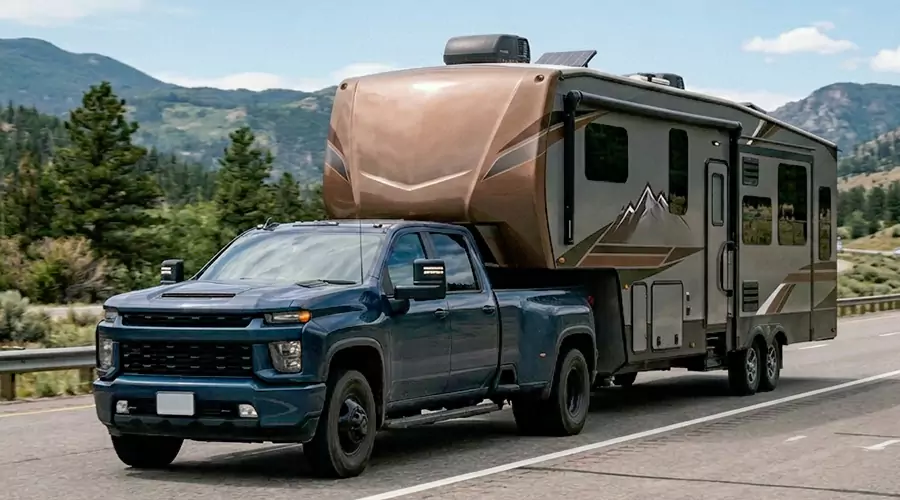
Tow-away service connects a travel trailer or fifth wheel to a suitable commercial tow vehicle.

The RV stays on its own running gear. This reduces the amount of hauling equipment required.

The tires must be roadworthy. Wheel bearings should also be suitable for the planned distance.

RV travel trailer transport often becomes more affordable when the unit qualifies for normal tow-away service.

Flatbed Transport

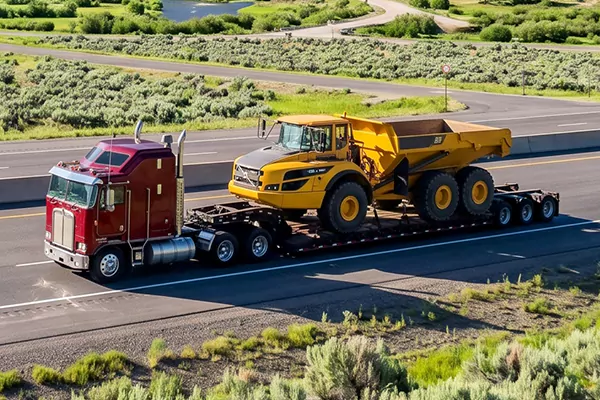
Flatbed RV transport places the recreational vehicle on commercial hauling equipment.

The method can reduce wear on the RV's own tires. It is also useful for units that cannot safely travel on their own running gear.

The rate is usually higher because the carrier needs more capacity. A tall RV can also require additional route planning when it sits on top of a trailer deck.

The lower-cost method is not always the correct one. Equipment must match the RV's size and condition.

How Do Size and Weight Affect the Quote?

RV dimensions directly affect the quote because transport equipment has physical and legal limits. Longer vehicles occupy more deck space. Taller units can restrict the available routes. Heavy motorhomes may require specialized trailers that cost more to operate.

Length

Measure the RV at its longest point.

Include a hitch when the transporter requests overall length. Rear-mounted accessories may also count.

A longer unit can need additional trailer space. That extra space reduces the carrier's ability to combine loads.

Height

Height becomes especially important during flatbed movement.

A motorhome that is already tall becomes taller when placed on another trailer. This can create bridge clearance concerns.

The carrier may need to change the planned route. Longer routing can raise the total price.

Width

Standard-width recreational vehicles are easier to schedule.

Oversized width can require permits. Special routing may also become necessary.

Do not assume factory dimensions remain accurate after modifications.

Weight

Weight affects trailer capacity and fuel consumption.

Permanent upgrades can change the actual loaded weight. Added equipment should be disclosed when requesting a quote.

The insider tip is to measure the RV before collecting estimates. A price based on incorrect dimensions can change after the carrier sees the unit.

How Can You Calculate Your Estimated RV Shipping Cost?

You can estimate a shipment by multiplying highway mileage by a realistic per-mile range. Use $1.00 to $3.00 for broad 2026 planning. Raise your expectation when the RV is oversized. Adjust again when the unit needs specialized flatbed equipment.

Use these steps:

  • Find the highway distance for the shipment.
  • Identify the exact RV type.
  • Decide which transport method is likely.
  • Select a current mileage range.
  • Multiply that rate by the route distance.

For a 500-mile shipment at $2.00 per mile:

500 miles × $2.00 = $1,000.

For a 1,000-mile shipment at $1.75 per mile:

1,000 miles × $1.75 = $1,750.

For a 2,000-mile shipment at $1.50 per mile:

2,000 miles × $1.50 = $3,000.

These examples are budgeting tools rather than guaranteed quotes.

The cost to transport RV equipment can rise when the vehicle cannot move normally. Loading assistance can change the carrier requirement.

Do not calculate using straight-line distance. Commercial equipment must follow legal highway routes.

Compare three estimates based on the same mileage. Use identical dimensions in every request.

What Extra Charges Can Raise the Total?

Extra charges can appear when an RV needs permits or unusual loading equipment. Limited pickup access can also increase the total. Non-running units can require a winch. Oversized motorhomes may need specialized route planning before the final transport price can be confirmed.

Possible additions include:

  • Oversize permits: Large RV dimensions can trigger permit requirements.
  • Special loading equipment: An inoperable motorhome may need winch assistance.
  • Pilot vehicles: Some oversized combinations can require an escort under applicable rules.
  • Limited-access pickup: A large carrier needs enough room to enter and exit safely.
  • Expedited scheduling: A narrow pickup window reduces available carrier options.
  • Seasonal demand: Carrier supply can tighten during busy travel periods.
  • Route restrictions: Extra highway mileage can appear when the loaded vehicle cannot use the shortest road.
  • Non-roadworthy tires: A trailer that cannot be towed may need flatbed transport.

A quote should identify which services are included before you book.

Do not compare a basic tow-away estimate with a specialized hauling price. The two services solve different transport problems.

What Warning Signs Should You Check?

A risky RV transport quote often lacks exact dimensions or a stated transport method. Missing federal authority creates another concern for interstate for-hire transportation. The arriving carrier should match the legal business listed in the shipment documents before you release the RV.

Check these ten warning signs:

  • The RV dimensions are missing: Accurate size is necessary for equipment planning.
  • The rate is much lower than comparable estimates: Ask what the written price excludes.
  • The transport method is unclear: Confirm whether the unit will be driven or hauled.
  • The business role is not explained: A broker arranges transportation while a carrier operates the vehicle.
  • Federal authority cannot be verified: For-hire interstate property carriers generally need appropriate FMCSA authority.
  • The assigned carrier is unknown: Verify the business before pickup.
  • The RV condition is listed incorrectly: An inoperable unit can require different equipment.
  • The price changes on the pickup paperwork: Resolve the difference before releasing the RV.
  • Insurance information is unavailable: Ask for current coverage information before transport.
  • The carrier never asks about height: Loaded height can affect route planning.

A professional-looking website does not prove that the transport authority is active. Use federal records when interstate operating authority applies.

What Can You Check Yourself Before Requesting Quotes?

You can perform a safe RV transport check by recording the dimensions and inspecting road-ready components. Measure the exterior without climbing onto an unsupported surface. Record tire condition from ground level. Confirm whether the unit starts or can be towed before requesting transport estimates.

Use this diagnostic checklist:

  • Record the make and model.
  • Measure the total exterior length.
  • Record the manufacturer-listed height.
  • Add permanent rooftop equipment where required.
  • Confirm the current vehicle weight when known.
  • Photograph each tire.
  • Check whether the unit can move safely.
  • Photograph exterior modifications.

A travel trailer with worn tires may not qualify for tow-away service.

A motorhome with a mechanical problem may not qualify for drive-away transport.

Those two discoveries can change the mileage rate before the carrier even evaluates the route.

Do not crawl underneath an unsupported RV to measure clearance. Use manufacturer documentation when safe measurement is not possible.

When Should You Call a Professional Transporter?

Professional transport review is useful when the RV is oversized or inoperable. It also helps when loaded height may restrict the route. A transport specialist can determine whether tow-away or flatbed equipment is suitable. The carrier can also identify permit needs before dispatch.

Contact a specialist when the RV has structural damage.

A fifth wheel with a damaged hitch also needs equipment review.

Compare RV trailer transport companies by the equipment they plan to use. Verify interstate authority when it applies.

Some camper transport services use tow-away equipment for road-ready units. Confirm the towing setup before booking.

Ask the transporter for the carrier's legal business name. FMCSA distinguishes motor carriers from brokers because brokers arrange transportation rather than physically operating the transport vehicle.

Request applicable insurance details before releasing the RV.

Professional guidance is most useful before the carrier is assigned. Correct dimensions allow the right equipment to be selected at the start.

How Can You Keep the Per-Mile Rate Lower?

You can lower the mileage rate by booking early and allowing flexible pickup dates. Keeping a towable RV roadworthy can preserve access to lower-cost tow-away service. Accurate dimensions reduce the chance of an equipment change. Long-distance shipments also tend to receive lower rates per mile.

Use this preparation timeline:

  • Three weeks before pickup: Measure the RV.
  • Two weeks before pickup: Compare matching quotes.
  • One week before pickup: Inspect tires and brakes.
  • Two days before pickup: Secure loose exterior items.
  • Pickup day: Review the transport paperwork.

Retract slide-outs completely.

Secure exterior compartment doors.

Remove detachable accessories when practical.

Avoid urgent pickup unless the schedule requires it. Flexible timing gives the dispatcher more carrier options.

Keep the unit roadworthy when you plan to use tow-away service. A tire failure discovered at pickup can force a different transport method.

Compare total prices after calculating each mileage rate. A slightly higher per-mile quote can still offer better value when it includes required equipment.

Conclusion

RV transport cost per mile commonly falls between $1.00 and $3.00 in 2026, while oversized units can reach $4.00 or more. Distance lowers the mileage rate but raises the total bill. RV size and transport method create the largest price differences. Measure your unit before requesting estimates. This week, compare three written quotes using the same mileage and dimensions.

YOU MAY ALSO LIKE

Need Help?

One call solves it all.

Get Instant Quote